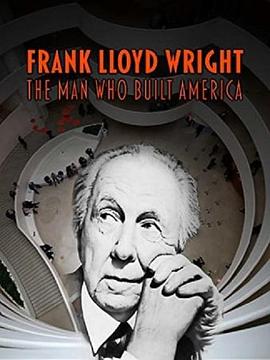
弗兰克·劳埃德·赖特:建筑美国之人
视频简介
Frank Lloyd Wright is America's greatest-ever architect. However, few people know about the Welsh roots that shaped his life and world-famous buildings. Now, leading Welsh architect Jonathan Adams sets off across America to explore Frank Lloyd Wright's masterpieces for himself. Along the way, he uncovers the tempestuous life story of the man behind them and the significance of his radical family background.
In a career spanning seven decades, Frank Lloyd Wright built over 500 buildings, and changed the face of modern architecture: Fallingwater, the house over the waterfall, has been called the greatest house of the 20th century; the spiralling Guggenheim Museum in New York reinvented the art museum; the concrete Unity Temple was the first truly modern building in the world. But the underlying philosophy that links all Wright's buildings is as important as anything he built.
Those ideas were rooted in the Unitarian religion of Frank Lloyd Wright's mother. Anna Lloyd Jones was born and raised near Llandysul in west Wales and migrated to America with her family in 1844, most likely to escape religious persecution. Her son, Frank, was raised in a Unitarian community in Wisconsin, a small piece of Wales in America. The values he absorbed there were based on the sanctity of nature, the importance of hard work, and the need to question convention and defy it where necessary. Wright's architecture was shaped by, and expressed, these beliefs.
Frank Lloyd Wright set out to create a new American architecture for a new country. He built his own lifelong home in the valley he was raised in, and he named it after an ancient Welsh bard called Taliesin. It was the scene of many adventures - and a horrific crime. In 1914, a servant at Taliesin ran amok and killed seven people including Wright's partner, Mamah Cheney, and her two young children.
Wright rebuilt his home and went on to marry a Montenegrin woman, Olgivanna Milanoff, some 30 years younger than him. It was Olgivanna who struck upon the idea that saved Wright's career after the Wall Street Crash and personal scandal laid it low. She decided that her husband should take on apprentices and that the apprentices should pay for the privilege. The Taliesin Fellowship had a hands-on approach, with apprentices often building extensions to Wright's own houses, labouring and cooking for him. Somehow it worked, lasting for decades and nurturing hundreds of young talents.
Frank Lloyd Wright died in 1959 aged 91 while working on his final masterpiece, New York's incomparable Guggenheim Museum. He had been born in the wake of the American civil war, the son of a pioneer, and died a television celebrity, in the space age. He is buried in the shadow of Taliesin, alongside his Welsh ancestors.
A 150 years after his birth, Jonathan Adams argues that Frank Lloyd Wright is now a vitally important figure who can teach us how to build for a better world. Wright believed in what he called organic architecture; buildings that grace the landscape, express an idea of how to live and respond to individual needs. This bespoke approach - a philosophy, not a style - puts him at the heart of modern architectural thinking.
相关推荐

达拉和艾德的曼德勒之路

警察如何放过基达杀手

英王加冕
与苏·帕金斯一起畅游恒河
弗兰克·劳埃德·赖特:建筑美国之人

玛格丽特公主:王室叛逆

佳士得的沉浮:世界最大拍卖行

温斯顿·丘吉尔:世纪巨人

温莎王朝2017

日本生活的艺术第一季

21世纪海上丝路

火山探险
艺术档案:天才达芬奇

酒神巴克科斯:狂欢之神